
Recordkeeping of energy usage will assist members with calculating their Carbon Footprint, as a year’s worth of data is needed, and further assists members with illustrating the improvement made towards reducing carbon emissions.

The recruitment process must be adequate, transparent, effective and implemented with responsibility by adequately trained/experienced staff.
Audit firms and auditors are core stakeholders of the SIZA programme and valuable partners in compliance for all parties involved in the audit process.

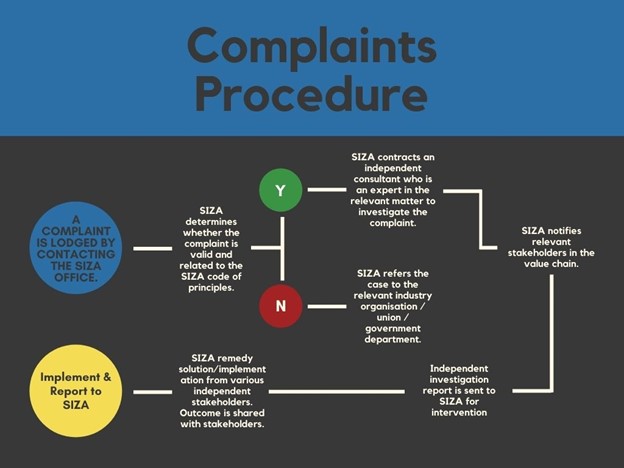
The SIZA Audit Dispute procedure was implemented with the sole purpose of ensuring that producers can raise a concern in a safe space if they disagree with a specific finding.

Findings should be raised per code requirement as contained in the SIZA Standard, and it should not include multiple findings under one requirement.

If a business operates multiple crops and commodities which fall into different harvest/peak production cycles, e.g., a winter commodity and a summer commodity, and the workforce differs, then the audit must occur during the highest peak production cycle, where the most workers are present.
Engaging and supporting one’s local surrounding community forms an integral part of a business’s commitment to social responsibility. Community involvement can take many forms, and SIZA members have shown significant advancement within this requirement.

With the SIZA Social and SIZA Environmental standards enjoying areas of synergy with the Rainforest Alliance 2020 standard, the two programmes have aligned efforts in providing South African producers with a time and cost-effective approach to meet market requirements that require certification against both SIZA and Rainforest Alliance.

As a market-driven initiative that brings together members of the international floriculture sector, the Floriculture Sustainability Initiative (FSI) has implemented a basket of standards to build on the progress made on transparency, responsible production and trade, positive impacts, and improvement in the floriculture supply chain.

The SIZA Standards make clear reference to the requirement that senior management in the business should document and oversee the implementation of the business’s policies related to the Standards.