In line with Sectoral Determination 13 (SD13), Section 19(1)(a), employees must receive a daily rest period of not less than 12 consecutive hours between ending work on one day and starting work the next.

Many SIZA members (farms and packhouses) make use of the services of TES, and it is, therefore, essential to remember that the employment relationship between the employer and the TES is a joint responsibility.

Employees who are foreign nationals must be in possession of a valid passport/ID, and the necessary work permits required in South Africa before they may work for a South African business.

Recent SIZA audit findings across all provinces have established that some businesses still miscalculate wages per hour, specifically when using the historically known ‘piece-rate system’ or ‘stuk-werk’ as it is known in Afrikaans.

Any person deemed to be an employee and who fits the definition of an employee according to Basic Conditions of Employment Act (BCEA) Chapter 11 Section 83, must be recognised by the business as an employee through means of an employment contract.
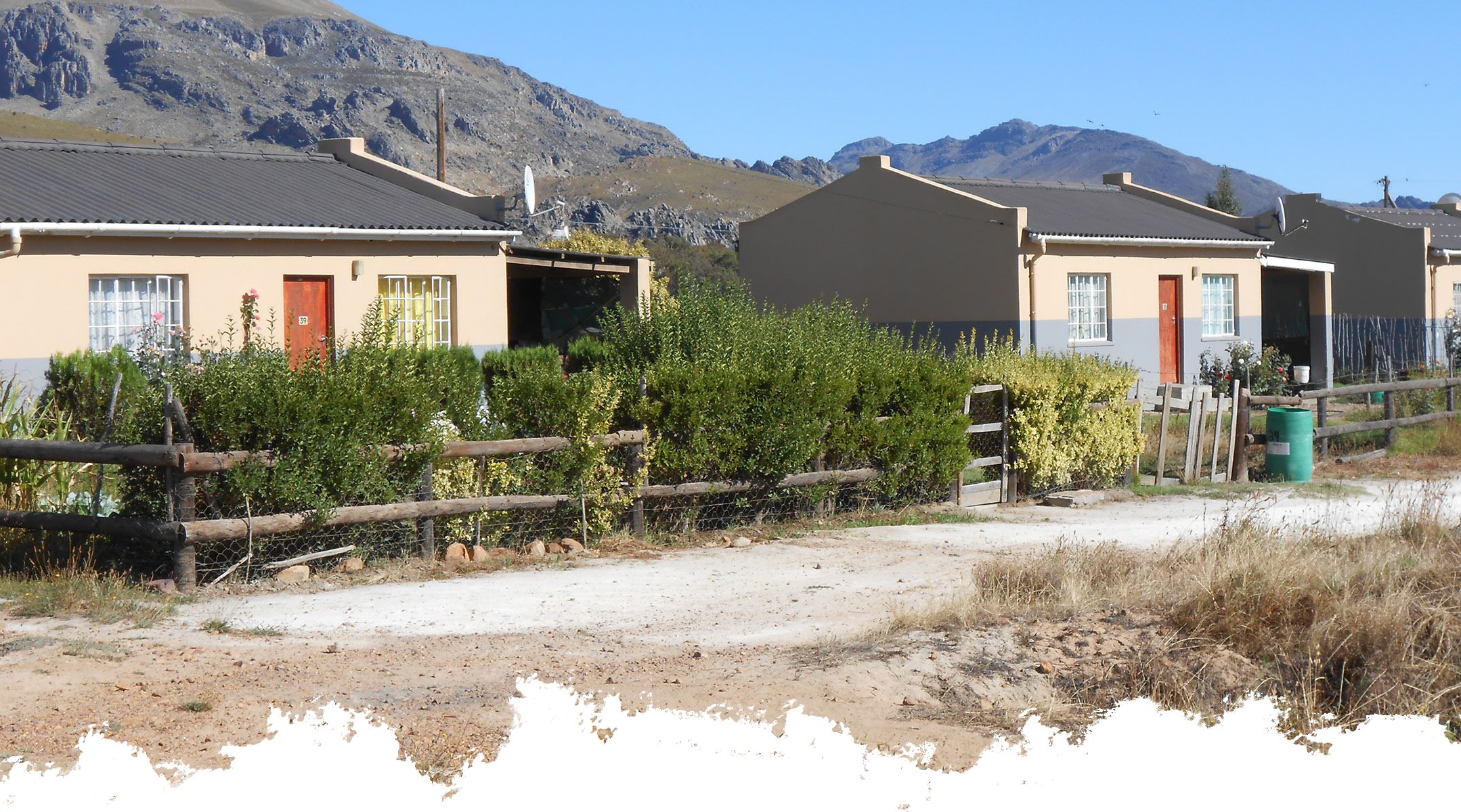
Although there is not much legislation for housing within agriculture specifically in South Africa, the requirements and drive to best practice are driven and based on a combination of several Acts and Regulations across the South African legal framework.

Een van die belangrikste fokuspunte van ‘n etiese oudit is om werkers ‘n stem te gee en vas te stel of bestuur ‘n veilige werksomgewing (en leefsomgewing, indien van toepassing) vir werknemers verseker.
One of the major focus points of a social audit is to give workers a voice and establish whether management is ensuring a safe working (and living, if applicable) environment for employees.

The SIZA third-party audits aim to measure the risk for producers’ compliance against the SIZA Environmental & Ethical (Social) Standards and identify areas of non-compliance that require corrective actions.

Each audit’s cost will depend on a variety of factors, including the number of employees, the number of farms/facilities, and where the site is located.